Find a Builder for NDIS Home Modifications
Connected with a builder who does minor and complex NDIS home modifications.
- Free
- No obligation
- Licensed builders
We share your details with one provider at a time, never a list. Privacy policy
What Are NDIS Home Modifications?
NDIS home modifications are custom-built changes to your home that help you manage your disability, like a step-free shower, a ramp or wider doorways. The NDIA funds them from the Capital, Home Modifications budget when they meet the NDIS funding criteria, after an occupational therapist has assessed your home.
Minor modifications are straightforward, non-structural changes funded from the NDIA's set budgets. Complex modifications are usually structural, need building approvals and certification, and are priced from 2 itemised quotes. Either way the work is done by licensed builders and tradespeople, and the home's owner has to agree in writing.
Grab rails, lever handles and portable ramps under $1,500 each are usually funded as low-cost assistive technology rather than home modifications. This site is about NDIS home modifications only, not aged care home modification programs.
How it works
Three Steps to Talking With a Builder
Tell Us What Needs Changing
The rooms, who owns the home, where the OT assessment is up to, funding and postcode. About two minutes.
We Find a Builder
We pass your details to one licensed builder who does NDIS home modifications in your area.
They Get in Touch
The builder contacts you to talk about the work, the NDIS process and timing.
Your details only go to the builder we match you with. If they can't help, we'll find another. More about how it works
Where Home Modifications Help
The NDIS funds changes that help you get around your home safely, use the rooms you need and make daily tasks easier. These are the places they happen most.
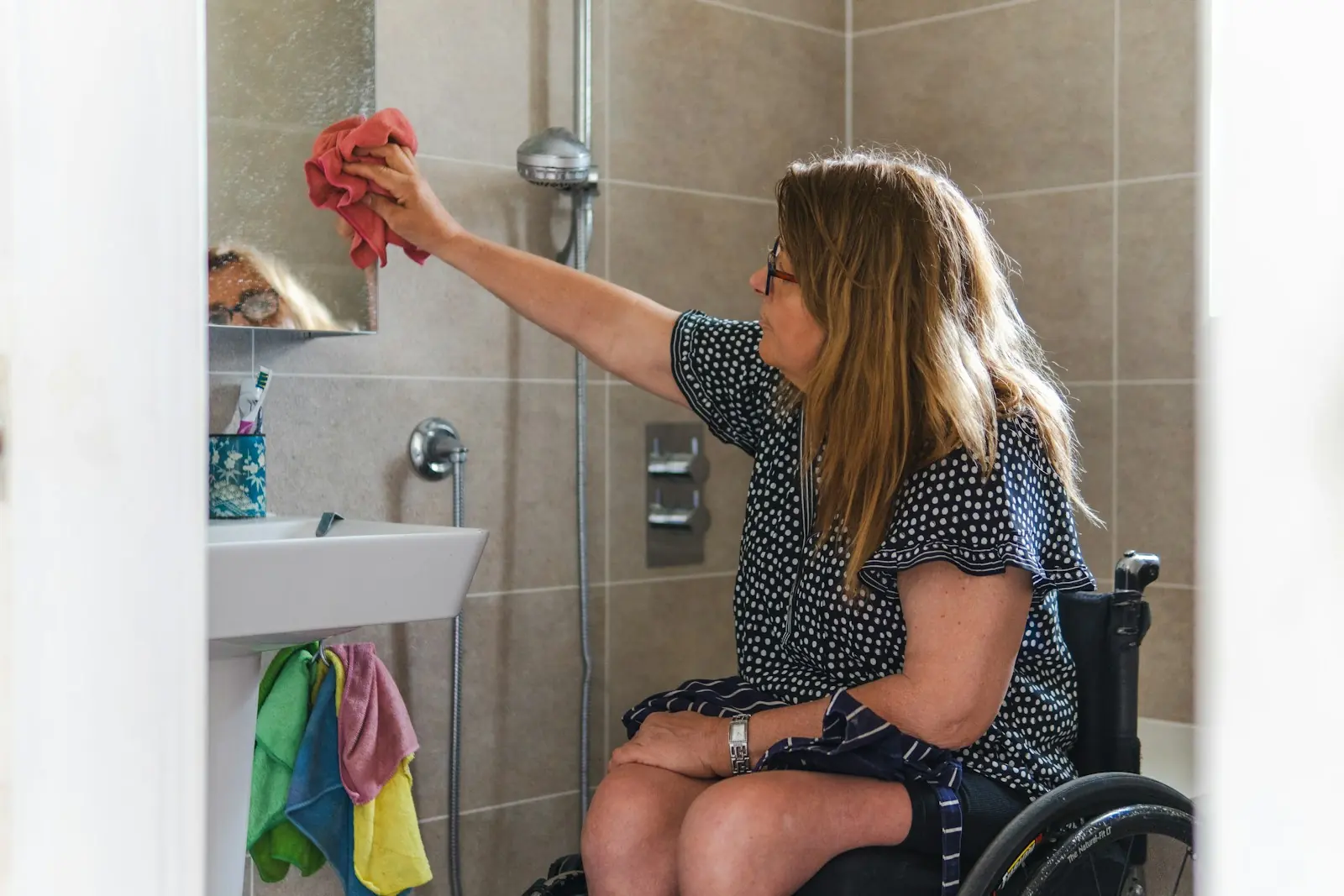
Bathrooms
Step-free showers, rails, basins and toilets you can use safely.
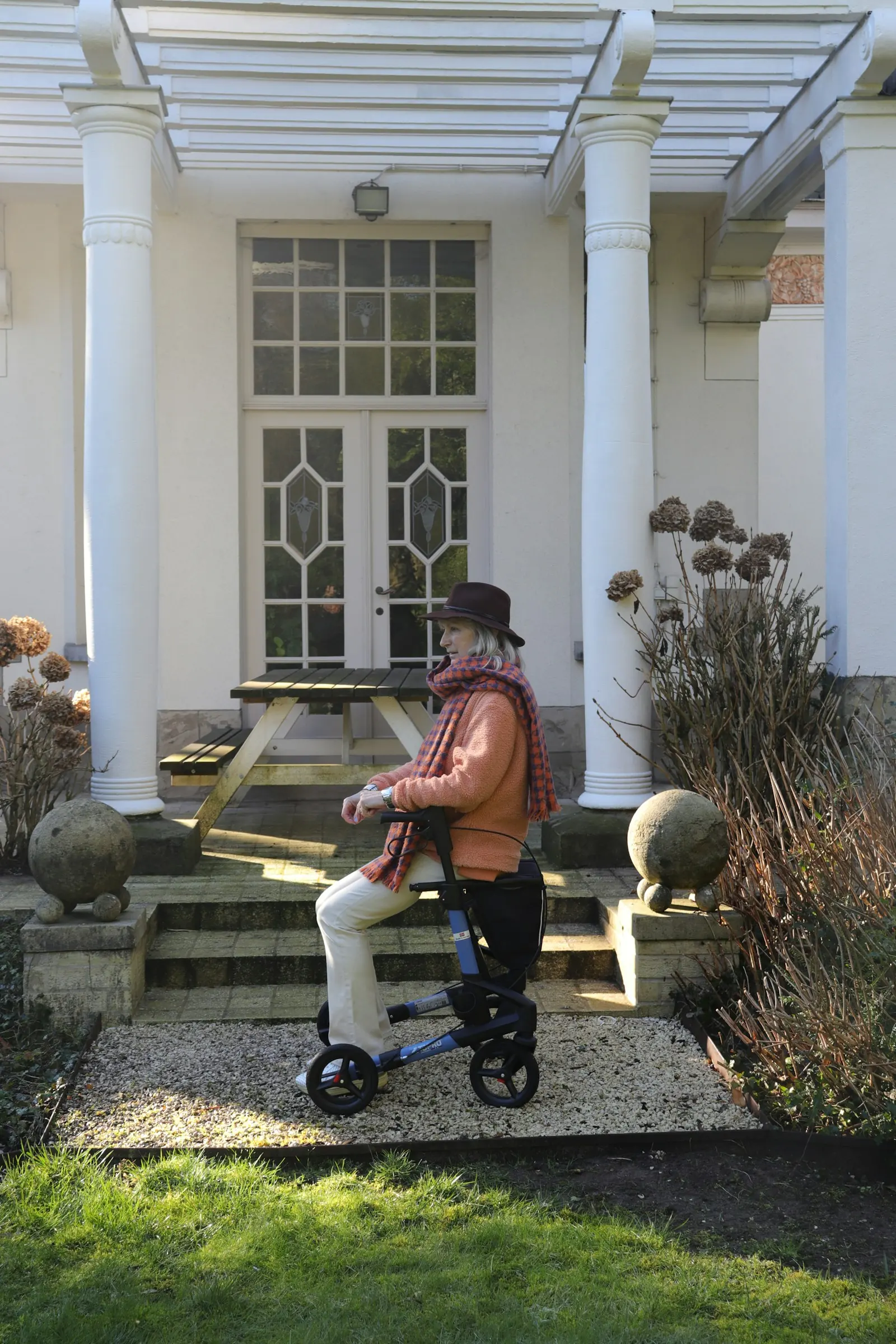
Getting in and Out
Ramps, pathways and doors in place of steps that get in the way.
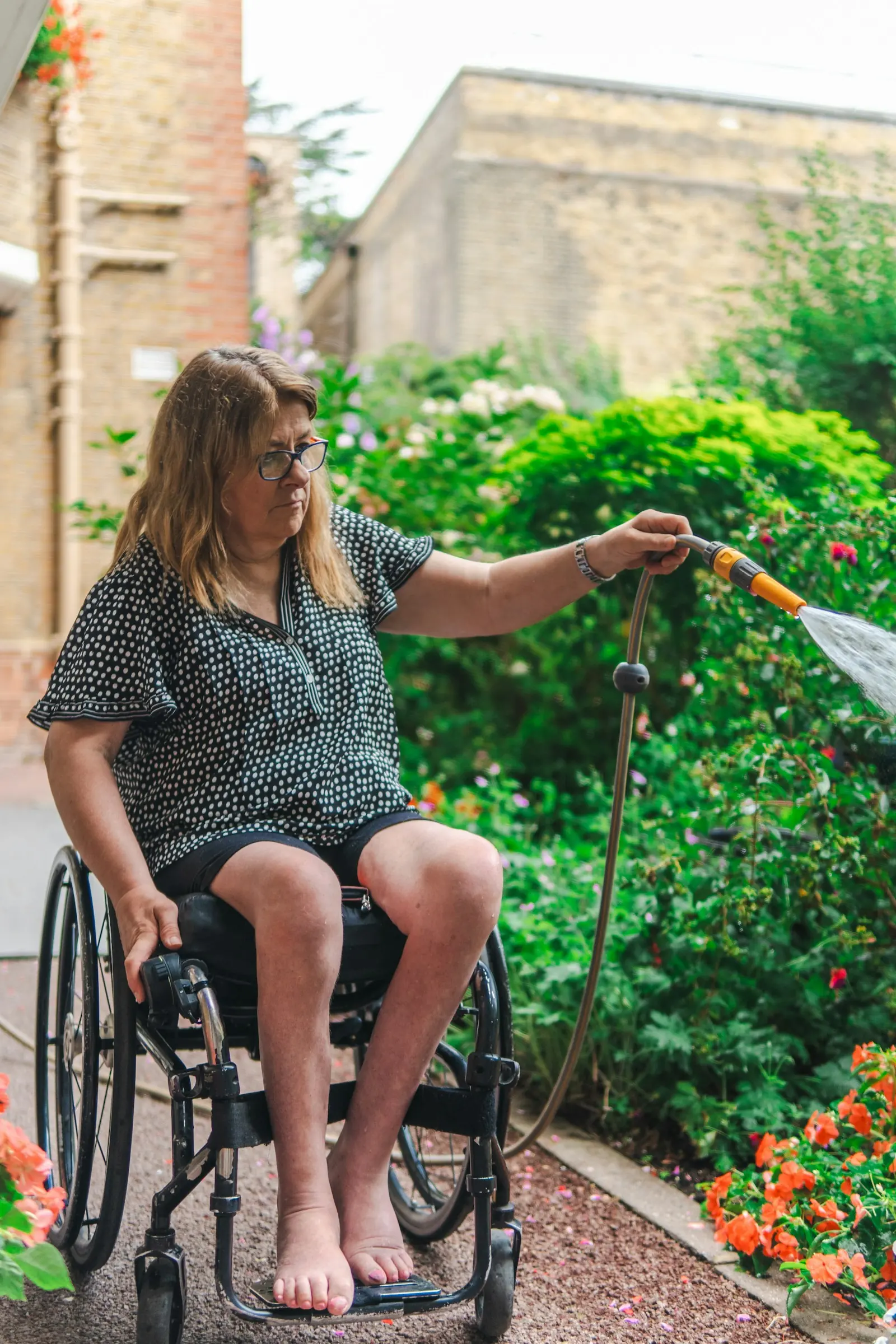
Around the Home
Doorways, kitchens, laundries and outdoor areas you can reach and use.
Home Modifications Explained
Plain-English guides, checked against the NDIA's own guideline, pages and budget levels.
- NDIS home modificationsWhat they are, what the NDIA funds and how to get them.
- Minor home modificationsCategory A and B, set budgets and when you need a quote.
- Complex home modificationsStructural work, 2 quotes and who's involved.
- Bathroom modificationsStep-free showers, rails and what the NDIA budgets.
- The OT assessmentWhy the occupational therapist comes before the builder.
- Renting and approvalsOwner approval, lease length and public housing.
Simple, Minor or Complex?
The NDIA groups changes to the home into three levels. The level decides who assesses it, whether you need quotes and how it's funded.
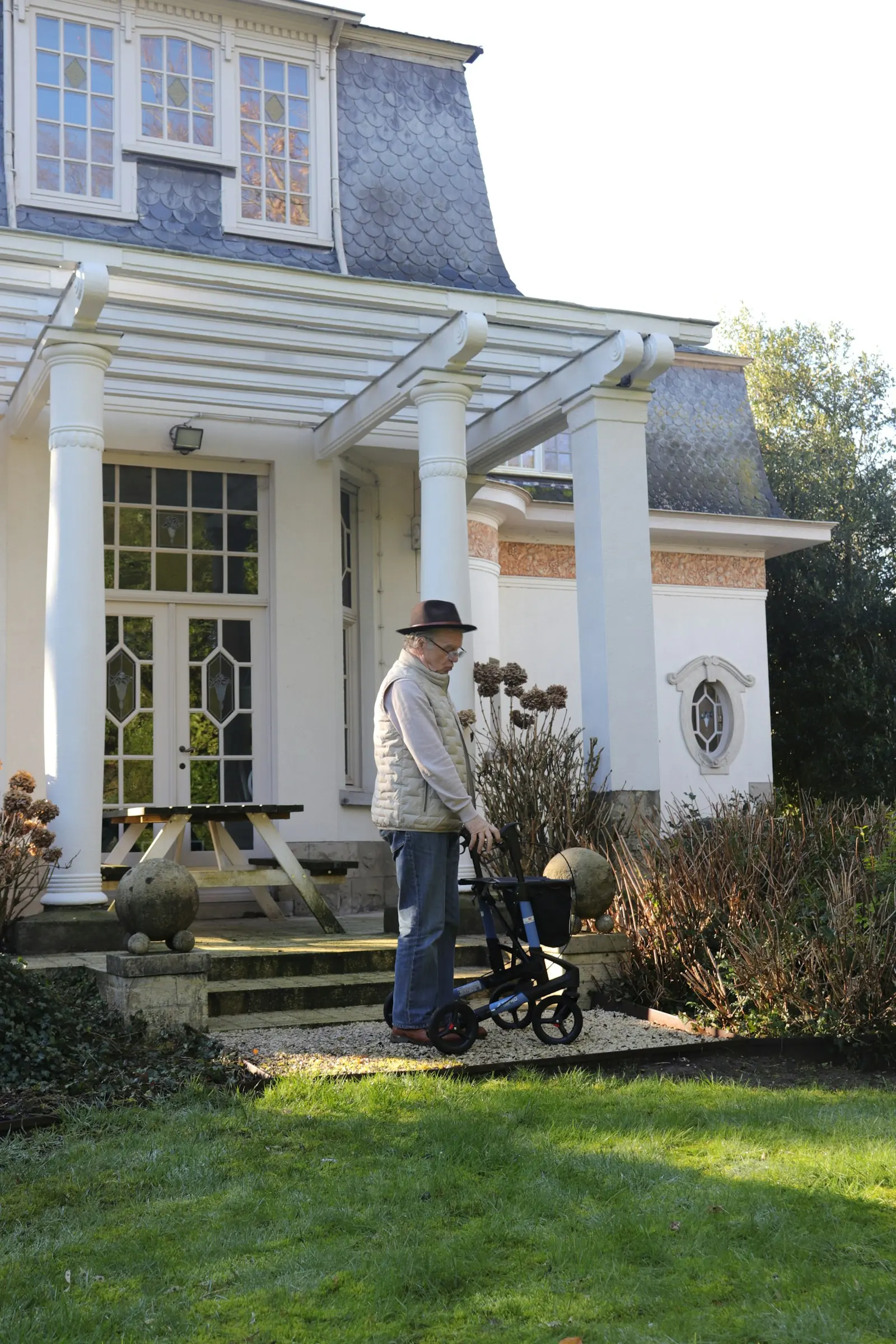
Simple Adaptations
Grab rails, lever handles and portable ramps under $1,500 each, usually funded as low-cost assistive technology.
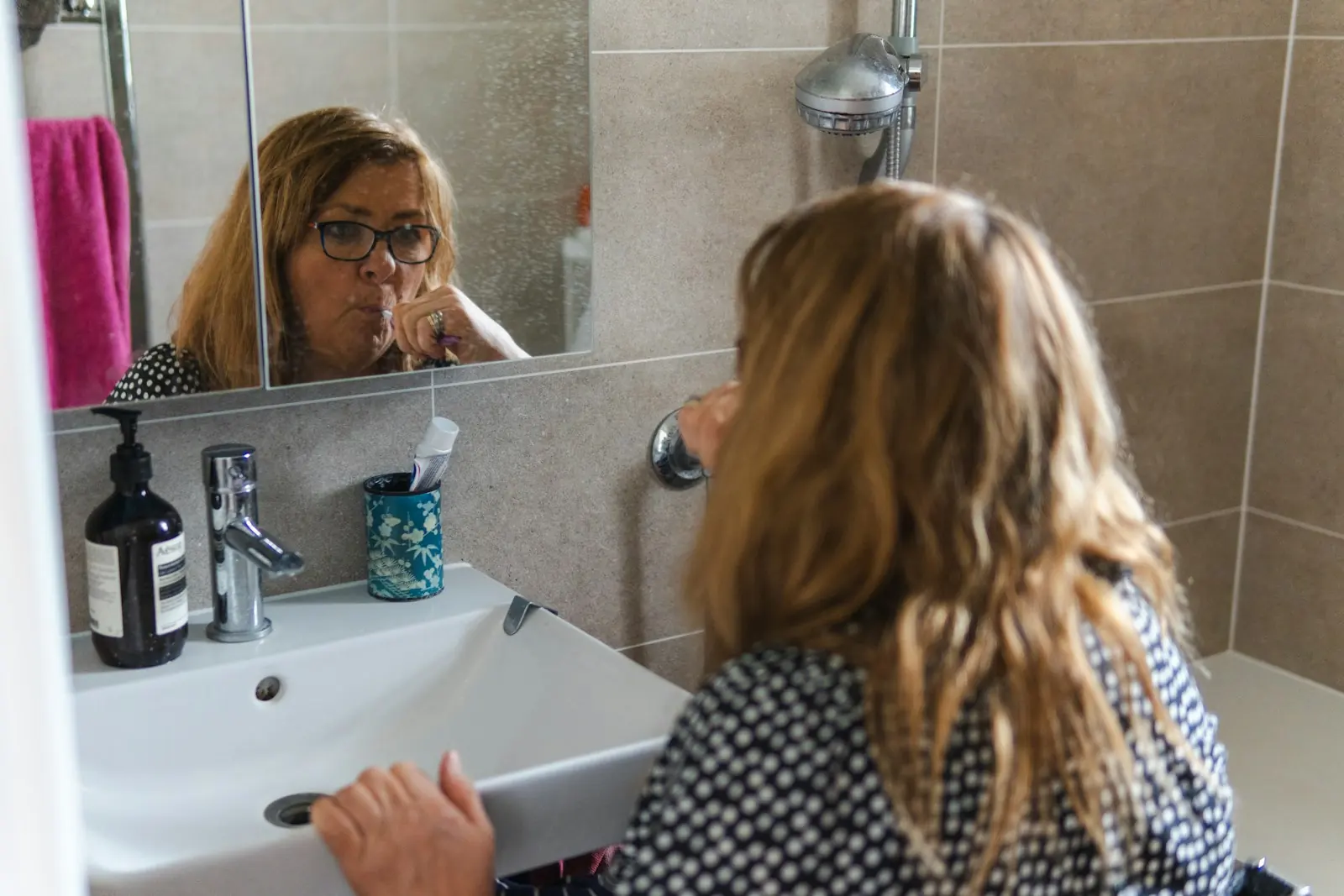
Minor Modifications
Straightforward, non-structural changes in 1 or 2 areas, funded from the NDIA's set budgets.
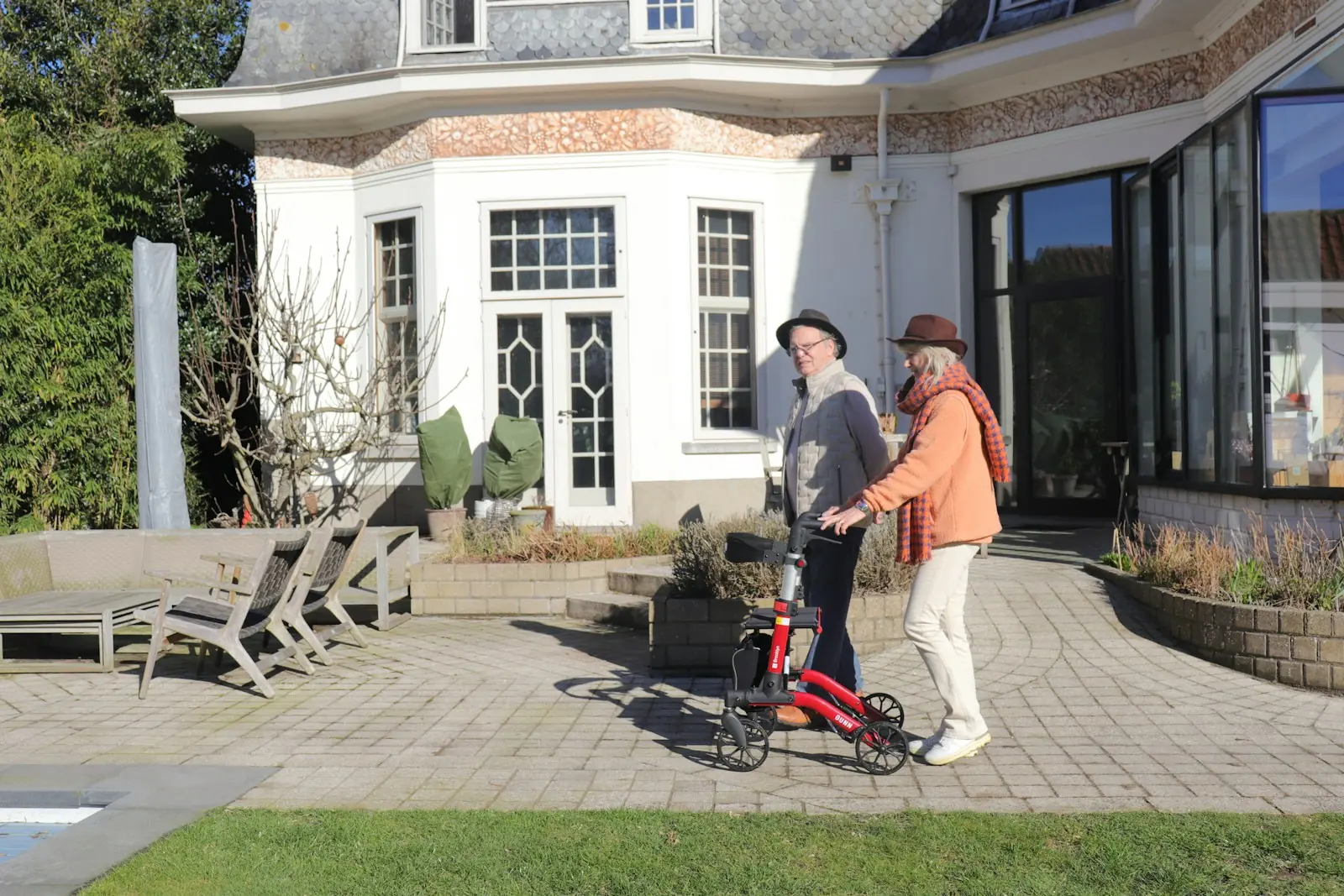
Complex Modifications
Structural or larger jobs that need approvals, quotes and often a project manager.
For Participants and Families
Your OT has recommended changes, the work is funded, or you're just starting to look? Tell us once and we'll pass it to a builder who does NDIS home modifications, instead of you ringing around.
Get matchedFor Support Coordinators and OTs
Send what needs changing, minor or complex, who owns the home and how the plan is managed. We pass it to a builder in the area and let you know who's picking it up.
Refer a participantHow We Choose Builders
We only pass your details to builders who meet all of these.
- A current licence with their state or territory building authority
- Insured for the work they take on
- NDIS registered, if your funding is NDIA-managed
- Agree to contact you promptly, and we check that they did
How Home Modifications Are Funded
Approved work is paid from the Capital, Home Modifications budget in your NDIS plan. For minor work the NDIA uses set budgets by area, for example $2,344 a metre for a ramp in metropolitan areas. Complex work is priced from 2 itemised quotes or a cost estimate.
More on cost and fundingQuestions People Ask
Does it cost anything to use this service?
No. It's free for you. Builders pay us when we introduce them to someone, which is how we keep it free. Approved home modifications are funded by the NDIS, or paid privately.
Are you the NDIS, or a builder?
Neither. disabilityhomemodifications.com.au is an independent service that connects people with builders who do NDIS home modifications. We're not part of the NDIA or the NDIS Quality and Safeguards Commission, and we don't do building work ourselves.
Do I need an OT assessment before I talk to a builder?
The NDIA needs an occupational therapist's assessment before it funds home modifications, so that usually comes first. You can still talk to a builder early about what's practical in your home.
Can I get home modifications if I rent?
Yes. The NDIA considers them whether you own or rent, but it needs the owner's written approval, and it looks at how long you'll stay.
Does the builder have to be NDIS registered?
Only if your home modification funding is NDIA-managed. With self-managed or plan-managed funding, any builder with the right licence, qualifications and insurance can do the work.
I'm a support coordinator or OT. Can I refer someone?
Yes. Use the referral form, or choose coordinator in the questions above. Please make sure the participant or their nominee has agreed to the referral first.
Ready to Find a Builder?
It takes about two minutes, and it's free.